


How it Once Was
Share Your Stories of the Caloosahatchee
We want to hear your observations about the natural history of where you live and play in the Caloosahatchee watershed, including the estuaries and islands the river feeds into.
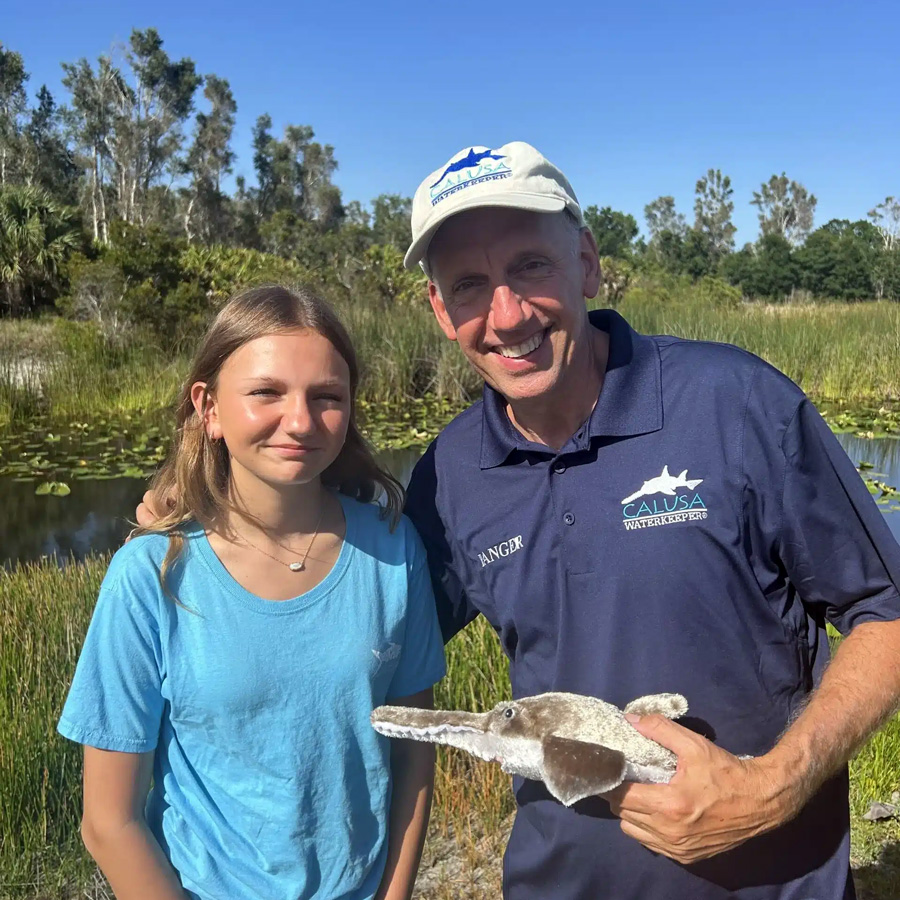
by Joe Cavanaugh
Calusa Waterkeeper
by Joe Cavanaugh, Calusa Waterkeeper
As the Calusa Waterkeeper, I meet new members, affiliates, and longtime residents regularly. In those conversations, I often hear phrases:
“I remember when…”
“There used to be…”
“We’ve lost so much…”
“The water used to be so much…”
These statements form what are known as declension narratives, stories that describe the environment as declining from a richer past condition. While that may sound academic, the idea is simple: memory helps us recognize loss. These narratives remind us that the trajectory of our environment is not just declining—but accelerating—toward thresholds beyond which recovery becomes increasingly difficult.
Why Your Memories Matter
Across the Caloosahatchee watershed, people have witnessed remarkable changes over time — in water clarity, fisheries, shorebirds, seagrasses, mangroves, and the overall health of the river and estuary.
We know that this is a worldwide phenomenon. Look at trends in forest cover, fisheries, biodiversity, wildlife populations, air quality, or water quality, and the data show widespread and rapid loss. We are living in the Anthropocene Epoch, in which human activity is now the dominant force shaping Earth’s natural systems.
Yet the Caloosahatchee remains a resilient river and estuary. With the right protections and restoration efforts, much can still be preserved — and in some cases recovered. But all ecosystems have tipping points beyond which biological and ecological integrity cannot return to what it once was.
Remembering past conditions helps us recognize how close we may be to those limits.
Share Your Story
Shifting baselines and Generational Amnesia
Another term I find especially useful is shifting baselines syndrome. Shifting baselines means that each generation comes to accept the environmental conditions they inherit as “normal,” forgetting that richer conditions once existed. Over time, expectations decline. Seeing fewer fish, fewer shorebirds, or poorer water quality becomes accepted as natural, rather than recognized as loss. The term was coined by fisheries biologist Dr. Daniel Pauly to describe how environmental decline can become invisible across generations.
If you want to read just one book on what we’ve lost in our seas, check out Callum Roberts, The Unnatural History of the Sea. In this book, Roberts heralds the abundance of marine life that existed in the fifteenth century as told through the logbooks of countless European naturalists traversing the Atlantic Ocean to the Americas. It’s a great read but will bring a few tears to your eyes.
If we do not record what once was, we risk losing not only species and habitats, but perspective itself.
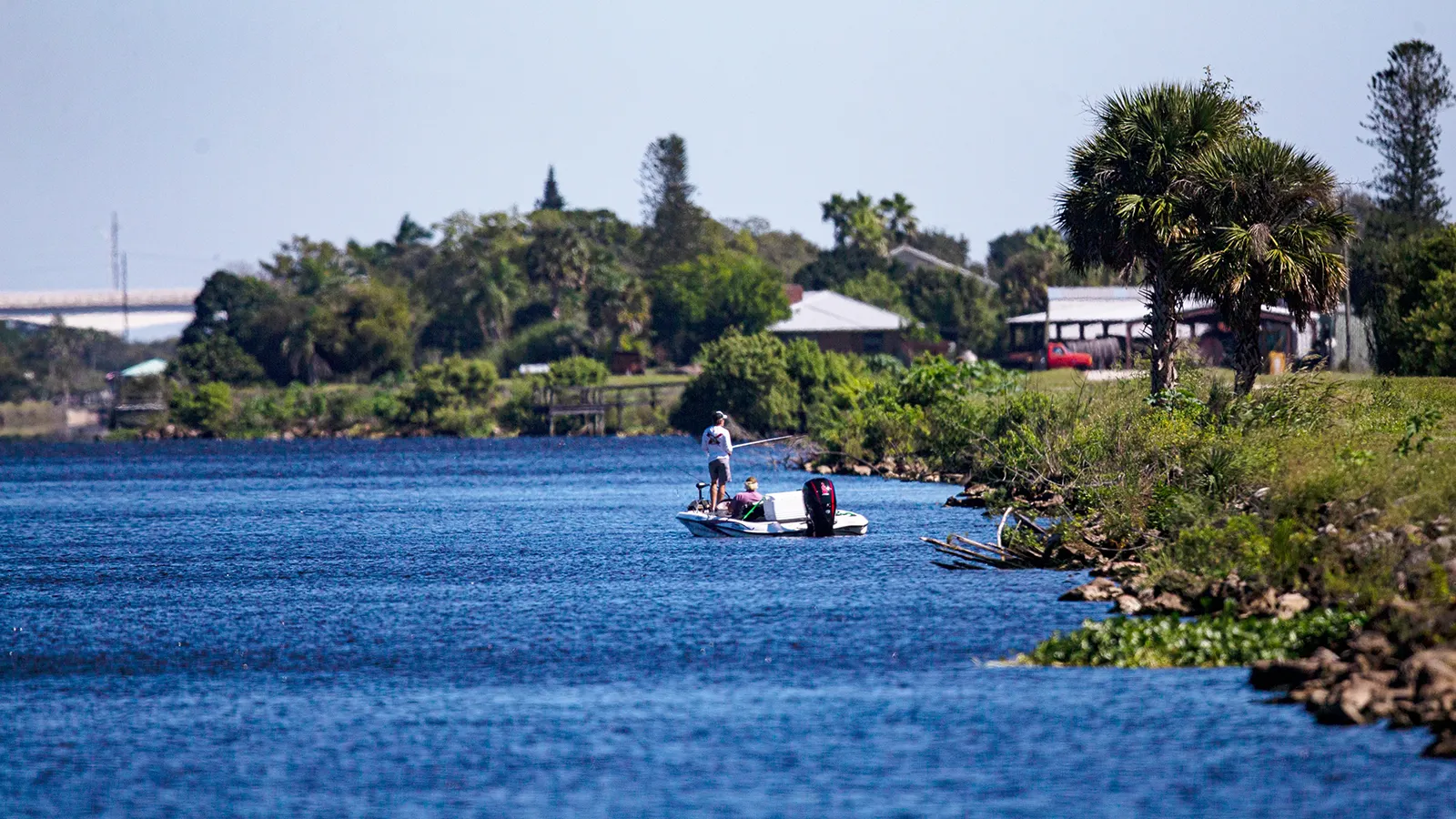
Stories as Advocacy
Science records change through data and monitoring, but narratives are also a powerful form of record. Humans are storytellers first and foremost. When we combine science and narrative, we create a far stronger foundation for behavioral and policy change.
That is why we are asking you to share your story.
We are compiling firsthand observations of how the Caloosahatchee has changed over time. These accounts will help inform our advocacy, strengthen restoration and policy efforts, and preserve a living memory of this watershed. In time, they may also contribute to a broader historical record of what this river once was — and what we can still protect.
We Invite You to Share Your Story
Please take a few minutes to share your observations. Tell us what you saw when you first arrived in Southwest Florida, how the river and estuary have changed, and why what has been lost matters to you.
Together, these stories will help us understand where we have been, where we are now, and what kind of future we still have the chance to shape.
"*" indicates required fields