














Fighting for Drinkable, Fishable, Swimmable Water
Volunteer Hours and Counting
Since 1995
Explore the Issues
Waterways around the world are under attack by pollution and mismanagement. Southwest Florida is no different.
Calusa Waterkeeper is focused on several local action items as well as state and national policies affecting our waters and quality of life.
We think you’ll agree, these are causes worth fighting for.
Learn the Issues
Recent News
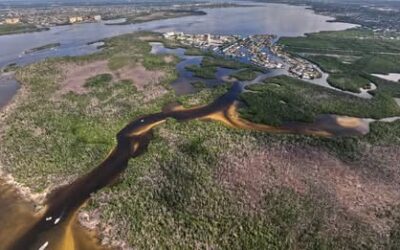
Lee County to buy over 300 acres environmentalists call critical for protection
Protecting Eden Oak helps preserve water quality, coastal wetlands, wildlife habitat, and the resilience of the Caloosahatchee estuary. Eden Oak, Cattle Dock Point, Piney Point (aka Redfish Pointe) all being conserved for their natural ecological value would be exceptional progress and stewardship.
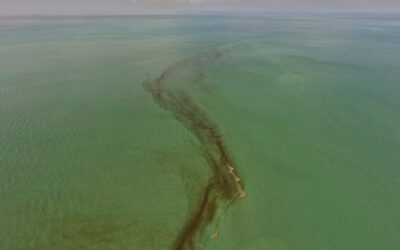
Rare algae bloom near Sanibel sparks environmental concerns
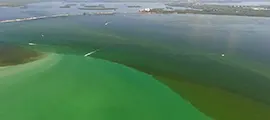
The waters near Sanibel have turned murky due in part to a rare algae bloom called Margalefidinium polykrikoides, or rust tide, which has been recorded in Southwest Florida for only the second time.
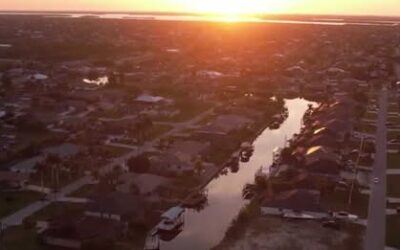
Cape Coral’s waterways face growing pressures from development
Cape Coral, once envisioned in the 1950s as a modern city, has grown into a community of over 200,000 residents with a 400-mile canal system, but its waterways face challenges as development expands.

Mangrove Matters: Rising seas, storms and development affect coastal system
Across South Florida, mangroves are being pressured by development, altered water flow, boat wakes, stronger storms and rising seas. And while mangrove forests are remarkably resilient, scientists say protecting one that’s intact is far easier than rebuilding one after it’s damaged.

Scientist at BGSU finds toxins from algal blooms present in air samples
Metcalf, who collaborated with Brain Chemistry Labs in Wyoming and Calusa Waterkeeper in Florida, published the findings in the leading journal Toxins.
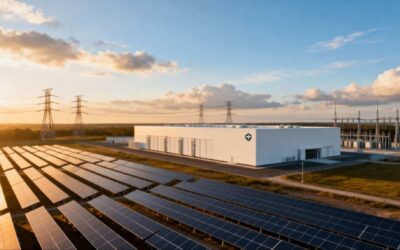
Waterkeepers Florida Position Statement: Protecting Water, Wildlife, and Communities in the Face of Data Center Growth
As interest in large-scale industrial development of data centers continues to grow across our region, it is critical that local governments take a thoughtful and proactive approach to protecting our surface and underground waters, communities, and quality of life.
All News & Press
Get Notified
Premium Partners


View All Sponsors