






Calusa Waterkeeper
In the News
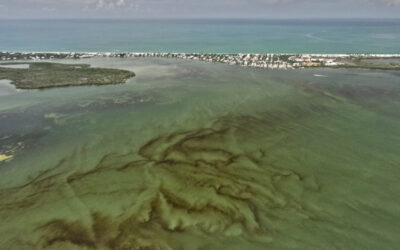
Rare rust tide bloom threatens marine life near Sanibel beaches
A rare algae bloom is making its way through several Southwest Florida beaches, and researchers say it could pose a serious threat to marine life. It is called rust tide, and this is only the second time it has been spotted in the area since 2023.
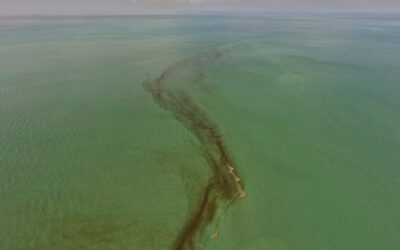
Rare algae bloom near Sanibel sparks environmental concerns
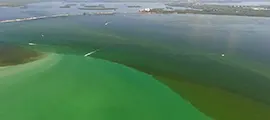
The waters near Sanibel have turned murky due in part to a rare algae bloom called Margalefidinium polykrikoides, or rust tide, which has been recorded in Southwest Florida for only the second time.
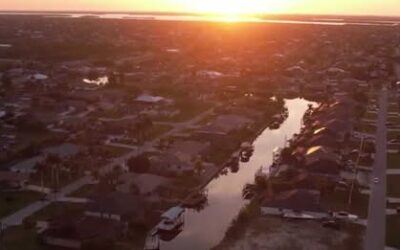
Cape Coral’s waterways face growing pressures from development
Cape Coral, once envisioned in the 1950s as a modern city, has grown into a community of over 200,000 residents with a 400-mile canal system, but its waterways face challenges as development expands.
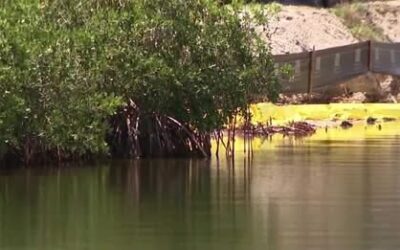
Cape Coral developer fined more than $34K for mangrove removal without permits
A Cape Coral developer has been fined more than $34,000 for removing mangroves without permits on the Seven Islands development, a project that has sparked years of debate among residents. Jason Pim, a Calusa Waterkeeper volunteer and Cape Coral resident, expressed concerns about the environmental impact of the development.
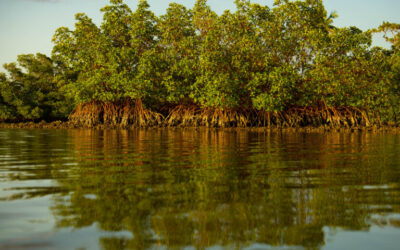
Mangrove Matters: Rising seas, storms and development affect coastal system
Across South Florida, mangroves are being pressured by development, altered water flow, boat wakes, stronger storms and rising seas. And while mangrove forests are remarkably resilient, scientists say protecting one that’s intact is far easier than rebuilding one after it’s damaged.
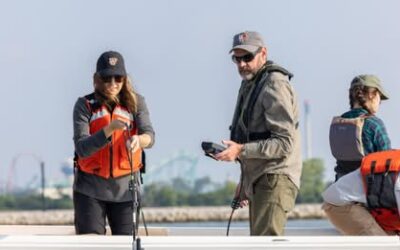
Scientist at BGSU finds toxins from algal blooms present in air samples
Metcalf, who collaborated with Brain Chemistry Labs in Wyoming and Calusa Waterkeeper in Florida, published the findings in the leading journal Toxins.
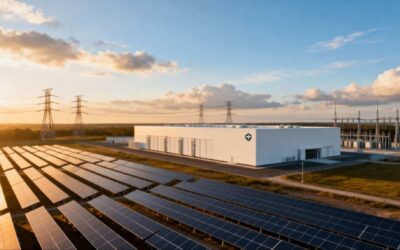
Waterkeepers Florida Position Statement: Protecting Water, Wildlife, and Communities in the Face of Data Center Growth
As interest in large-scale industrial development of data centers continues to grow across our region, it is critical that local governments take a thoughtful and proactive approach to protecting our surface and underground waters, communities, and quality of life.
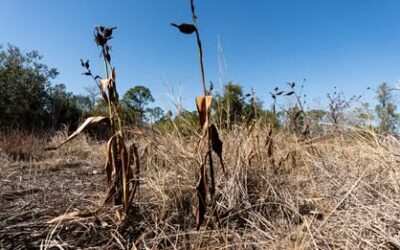
Water woes: Wells run dry, growth adds pressure as fresh water rushes to sea
In a state surrounded by water and partially covered by it for much of the year, Florida is quickly approaching what experts call a water paradox as freshwater supplies are starting to run low.
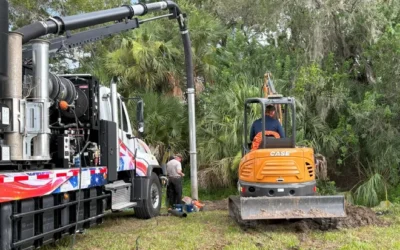
Warning signs missed before massive Labelle sewage spill found
A month after a mowing tractor sent an estimated 450,000 gallons of sewage flowing toward the Caloosahatchee in LaBelle, the sequence of events has come into sharper focus.
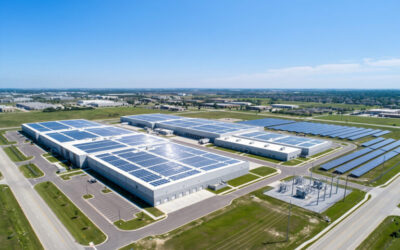
Communities wrestle with hyperscale projects targeting Florida
Government officials aren’t alone in grappling with data centers. Environmental advocacy groups are also troubled by the potential effects.
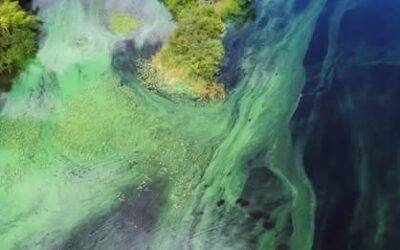
Researchers develop tools to test for airborne blue-green algae toxins in Southwest Florida
The data shows that while very few large-scale cyanobacterial bloom events were observed at sampling locations across Southwest Florida, cyanobacterial and algal toxins were present in low concentrations in the majority of samples.
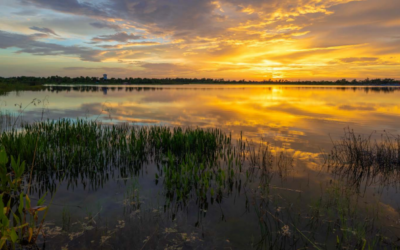
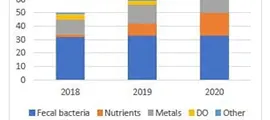
New Report Finds Majority of Florida Waterways Fail Water Quality Standards
A new report released today by Public Employees for Environmental Responsibility (PEER) and Waterkeepers Florida finds that the majority of Florida’s waterways are failing to meet state water quality standards while enforcement of the state’s environmental laws remains far below historical levels.