



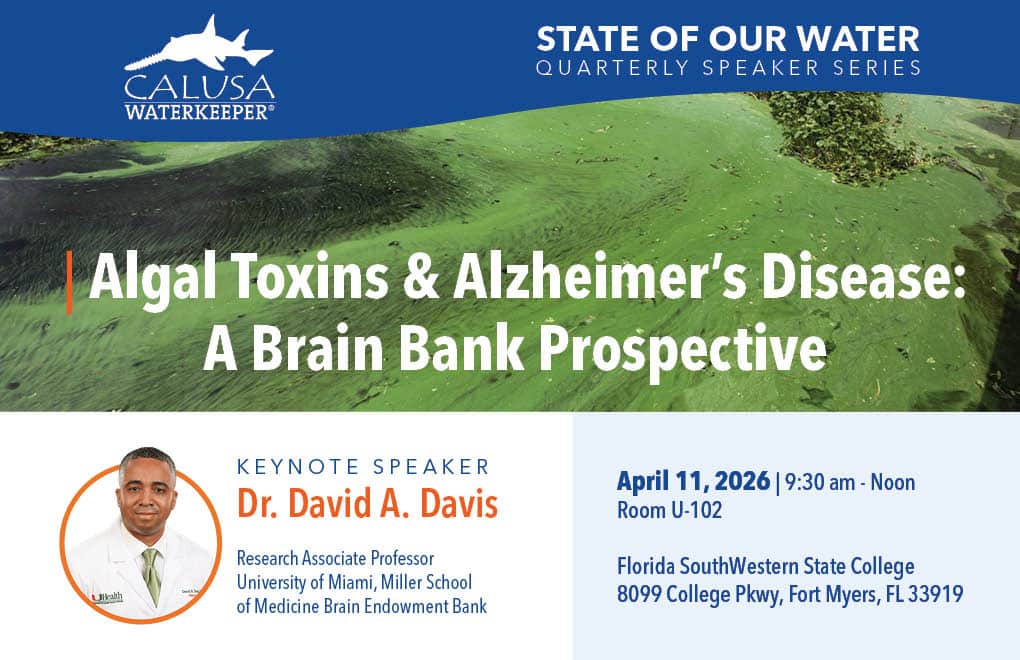
“Algal Toxins & Alzheimer’s Disease” will be the keynote address by David A. Davis, Ph.D. of the University of Miami Brain Endowment Bank
Calusa Waterkeeper will welcome Dr. David A. Davis of the University of Miami Brain Endowment Bank as the keynote speaker presenting Algal Toxins and Alzheimer’s Disease: A Brain Bank Prospective. This is a unique opportunity to gain insights from a leading expert on the relationship between toxins in our environment and their potential roles in neurodegenerative diseases.
The event will be held at 9:30 a.m. on Saturday, April 11, 2026, at Florida SouthWestern State College at 8099 College Pkwy, Fort Myers, FL 33919 in Room U-102.
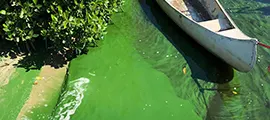
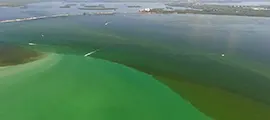
Harmful algal blooms are increasing in frequency and scope in Florida. These blooms can produce toxins linked to neurodegeneration. At the same time, South Florida has the highest prevalence of Alzheimer’s disease in the United States. Join Calusa Waterkeeper and Dr. Davis as they explore current research centered on how exposure to algal toxins can contribute to the onset of dementia. In addition, the discussion will examine approaches to protect against exposure and neurotoxicity.
Dr. Davis has devoted his scientific career to exploring the relationship between toxins in our environment and their potential roles in causing neurodegenerative disease. His current research focuses on the connections between the cyanobacterial neurotoxin BMAA, methylmercury and nanoplastics with disease such as Alzheimer’s disease, amyotrophic lateral sclerosis and Parkinson disease.
Dr. Davis received his PhD in Neuropathology from Boston University School of Medicine and completed his post doctorate training at the Leonard Davis School of Gerontology located at the University of Southern California. In 2013, Dr. Davis joined the University of Miami Brain Endowment Bank with the goal of utilizing his training to provide investigators with the highest quality biospecimens to catalyze their research. He has participated in and supervised the dissection and allocation of more than 14,000 biospecimens for NIH NeuroBioBank investigators.
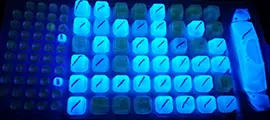
Calusa Waterkeeper Joe Cavanaugh will also be displaying our proprietary ADAM kits, designed by our team to research and better understand any presence of airborne toxins from harmful algal blooms in Southwest Florida.
Register Today