












Originally published in Florida Weekly by Roger Williams on March 7, 2026
How agricultural runoff, septic systems and policy gaps are fueling Florida’s water emergency
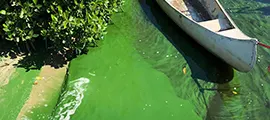
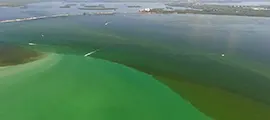
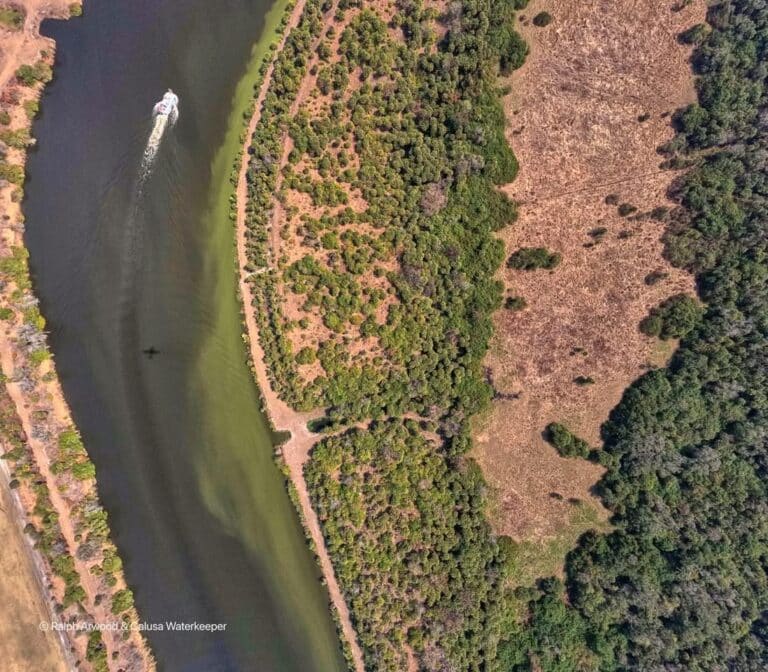
Starting in mid-February, a bloom of toxic blue-green algae erupted across more than 40 miles of the Caloosahatchee River basin, a thing neither anticipated, monitored or initially reported by state authorities in the Department of Environmental Protection or the Department of Health.
Instead, it was identified first in aerial photos by a volunteer member of Calusa Waterkeeper, one of 15 chapters of the non-profit Waterkeepers Alliance in Florida.
“The debate often gets foolishly reduced to whether these harmful algal blooms are being fueled by water from Lake O or other runoff from the Caloosahatchee Basin,” the Calusa Waterkeeper wrote in a social media post.
“The answer is likely both. What we do know is that the runoff in these parts of the watershed is overwhelmingly from agricultural lands. We also know the state’s attempts to reduce nutrient loading are failing. (It is trending in the wrong direction overall).”
So don’t be surprised.
“With this much nutrient pollution continuing to enter our waters statewide, it should be no surprise that blooms are occurring despite the (dry) season.”
Full Story