



















Originally published on Florida Weekly by Garry Overbey on August 12, 2026
Government officials aren’t alone in grappling with data centers. Environmental advocacy groups are also troubled by the potential effects.
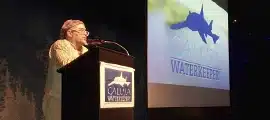
The devil’s in the details,” said Jason Pim, board president of Calusa Waterkeeper. “They’re all different.”
Calusa Waterkeeper is a volunteer nonprofit organization that monitors the Caloosahatchee River watershed, from Lake Okeechobee to the coastal estuaries and Gulf waters of Southwest Florida.
Pim said the organization isn’t necessarily opposed to data centers, but it advocates for officials to carefully vet projects and seek independent analysis.
“Whoever the private entity is applying for the permit has specialists to create reports,” Pim said, “and it’s really important to be able to analyze the impacts independently in case anything gets left out.”
Water used to cool data centers can pollute waterways when discharged, especially if chemicals like glycol are added, according to Pim.
“Even if the water is relatively clean, even a higher temperature getting discharged can be a very serious issue,” he said, adding that this can threaten wildlife, fish and aquatic habitat.
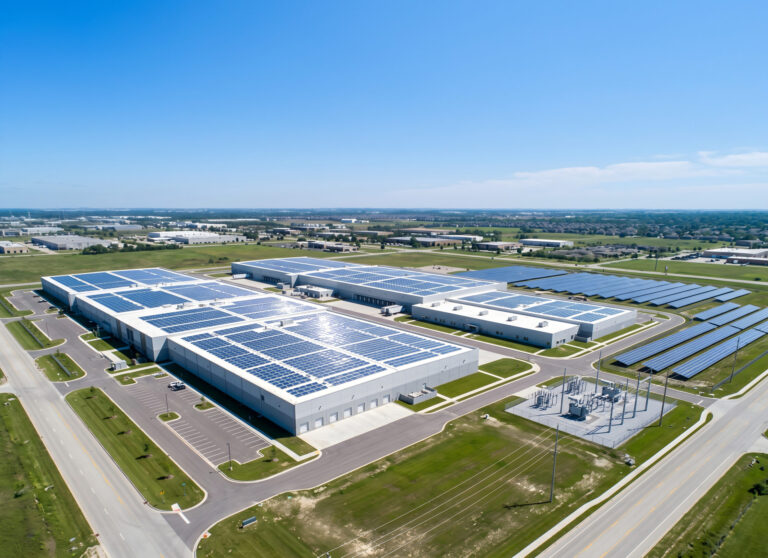
Pim also noted that as technology becomes more efficient, it tends to grow more compact over time, which raises the question: What happens when a hyperscaler occupying millions of square feet becomes obsolete in a decade?
“That’s one reason to be hesitant or to take your time and make sure a project’s in the best interest of a community,” Pim said.
“You hear a lot of rhetoric about these projects being essential or critical, but the environment is a pretty critical resource too, and we need to make sure we’re doing our best to not impact that adversely.”
Full Story