
















Originally published on Phys.org on July 18, 2026
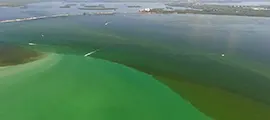
Research on Southwest Florida cyanobacterial blooms shows that the toxins they produce are aerosolized and potentially inhaled by people far from contaminated water bodies.
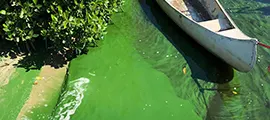
Sometimes known as blue-green algae, cyanobacteria played an ancient role in establishing Earth’s oxygen atmosphere. When rivers, lakes and estuaries are loaded with excess nitrogen and phosphorus, often the result of agricultural runoff or improperly treated sewage, cyanobacterial populations can explode, releasing toxins into the environment that can damage human health.
The nonprofit Brain Chemistry Labs in Jackson, Wyoming, last year partnered with neurologists and oceanographers at the Miller School of Medicine in Miami, marine biologists at Hubbs-SeaWorld Research Institute and the Blue World Research Institute to announce that beached dolphins in Florida’s Indian River Lagoon show signs of Alzheimer’s disease. Their brains had high concentrations of the neurotoxin 2,4-DAB, an isomer of BMAA produced by cyanobacteria.
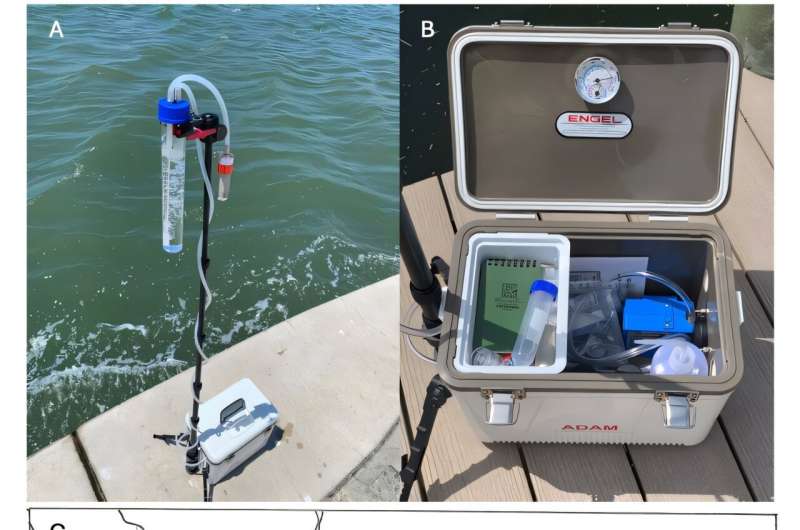
Now partnering with the nonprofit Calusa Waterkeeper in Fort Myers, Florida, the Wyoming scientists announced that they have identified airborne cyanobacterial toxins collected in special detectors placed in different locations in Southwest Florida. All of the samples contained the neurotoxin 2,4-DAB, the same cyanobacterial toxin found in the dolphins.
Read Full Article