
















Originally published in the Fort Myers News-Press by Amy Bennett Williams on July 16, 2026.
The 450,000-gallon raw sewage spill that fouled a creek flowing to the Caloosahatchee was not an isolated event.
State records show the city’s wastewater system has been chronically troubled for years. After a series of spills and other problems, the Hendry County city has operated under a state consent order since 2023. A consent order is a negotiated settlement between a regulatory agency and a party – in this case, the city – designed to correct violations.
Three years into the agreement, the most recent accident happened: About 450,000 gallons of untreated sewage spilled for three days from a broken pipe into a ditch that flows about two-thirds of a mile to the Caloosahatchee River. None of it was recovered.
Besides the obvious pollution problems, such spills can feed harmful algal blooms and trigger fish kills, says Calusa Waterkeeper Emeritus John Cassani.
In statement emailed July 14, the city said the leak was repaired, the wastewater system is operating normally and it is cooperating with regulators.
The spill was more than double the size of the largest in Fort Myers’ history in 2020 that was called “historic.” The accident happened from a broken lift station that discharged some 193,000 gallons of sewage into Manuels Branch, another Caloosahatchee tributary.
LaBelle sewage spill: Three days, 450,000 gallons, none recovered
That spill happened while the city was still working under the consent order requiring extensive improvements to its wastewater system. Under the consent order’s schedule of penalties, a spill of that size falls into the highest category: $15,000.
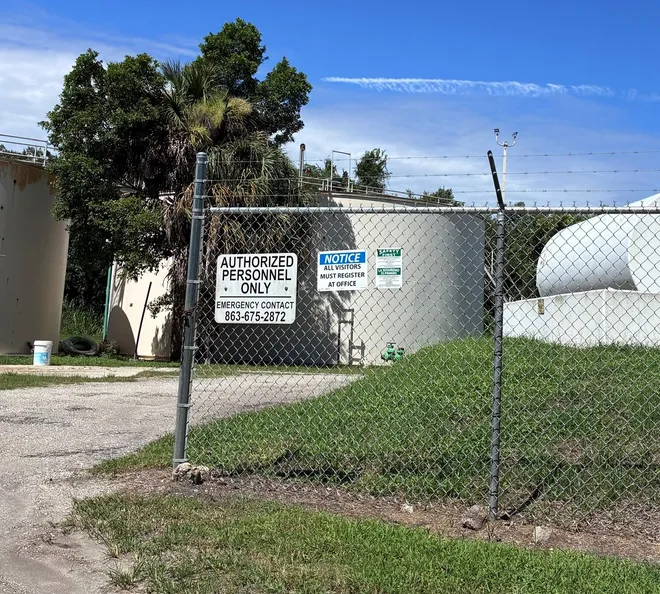
According to a Florida Department of Environmental Protection pollution report, the spill began at the city’s wastewater treatment plant No. 1 on Citrus Street at midnight July 7 and wasn’t stopped until 4 p.m. July 10. The notice was issued the following morning.
The department has not yet responded to repeated questions from The News-Press/Naples Daily News, but its records show a pattern of wastewater releases over at least seven years, culminating in by far the largest spill on record.
The city’s wastewater system has been plagued by line breaks, pump failures and blockages. The state found the city failed to maintain the required operations and maintenance manual for its collection system and failed to maintain an emergency response plan.
The order also noted multiple groundwater quality exceedances, meaning monitoring wells didn’t meet state water-quality standards.
Florida ordered sweeping changes to LaBelle’s troubled wastewater system
The department’s 2023 order essentially mandated an overhaul of the entire system.
Among other fixes, the order required:
- construction of a new headworks;
- modifications to digesters;
- backup generators;
- emergency pumping capability;
- repair or replacement of damaged manholes;
- improvements to 23 lift stations;
- a new treatment plant;
- updated operations and maintenance manual and emergency response plan;
- a groundwater monitoring program and
- improvements to the wastewater system’s computerized monitoring and alarm system – essentially its nerve center.
The drainage ditch into which the sewage spilled is less than a mile from the Caloosahatchee, a polluted river state officials are working to clean up.
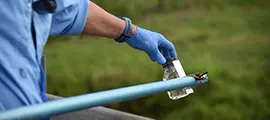
The nonprofit Waterkeeper group has been monitoring the spill and will be sending rangers to sample the water near the spill, said board member Jason Pim.
Full Story