







Calusa Waterkeeper
In the News
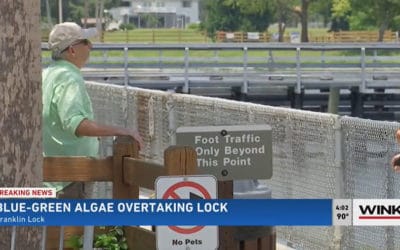
Blue-Green Algae Concerns Mount on Caloosahatchee Amid Rainy Season
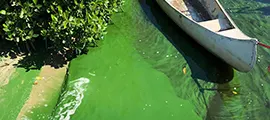
Blue-green algae has become a problem recently on the Caloosahatchee. Green and slimy blue-green algae is something many in Southwest Florida have seen in abundance in the past, and what is being seen now might not clear up soon because the rainy season is underway.
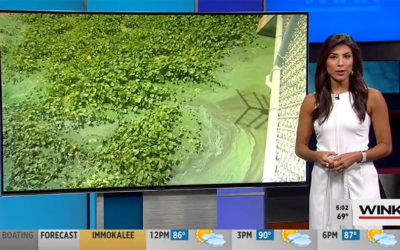
FGCU & Lee County Study on Algae Clean-up to Yield Results by Summer 2022
The Calusa Waterkeeper says we are ahead of schedule this year when it comes to the amount of algae in our waters. Lee County is now teaming up with Florida Gulf Coast University on a new experiment to clean up the algae.
Environmentalists Worry Expanded Property Rights Bill Will Undermine Coastal Resiliency & Conservation Efforts
State lawmakers passed a pair of bills (HB421 & HB1101) aimed at expanding protections for landowners through the Bert J. Harris, Jr., Private Property Rights Protection Act. The measures are currently awaiting Governor Ron DeSantis’ signature.
CDC Begins New Study on Blue-Green Algae
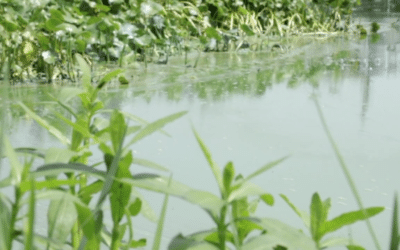
The Calusa Waterkeeper says there is an urgent need for research on the blue-green algae that has been seen on Lake Okeechobee. The non-profit, says previous studies have shown that cancer clusters in people living in south Florida may have been caused by inhaling blue-green algae blooms.
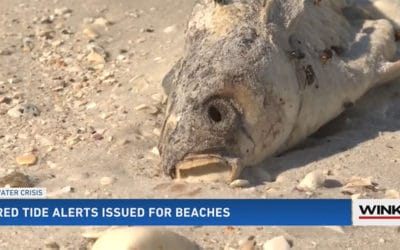
Red Tide Reported at Multiple Lee County Beaches
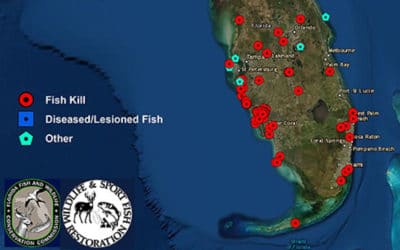
Florida Department of Health in Lee County reported red tide blooms near Tarpon Bay Road Beach, Lighthouse Beach, Lynn Hall Beach Park, Lover’s Key State Park and Bonita Springs Beach Park. We saw dead fish washing up on some beaches after the health alert was made.
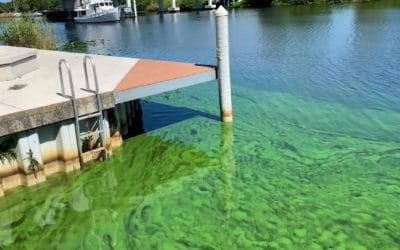
Words from the Waterkeeper, Episode 28
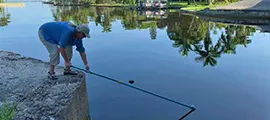
Water quality updated from Barron Park in LaBelle. Calusa Waterkeeper, along with several environmental groups asked Gov. Ron DeSantis to declare a State of Emergency for communities impacted by a growing blue-green algae outbreak in the Lake Okeechobee system and a red tide event in the Gulf of Mexico.
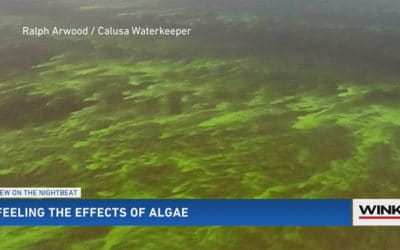
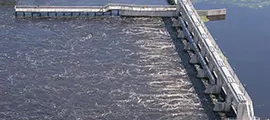
DOH Health Alert: Blue-Green Algae Toxins Found in Caloosahatchee at Franklin Lock
The Florida Department of Health in Lee County issued a health alert for the Caloosahatchee at W.P Franklin Lock & Dam based on reports of algae toxins found by the ramp. The health alert brought back bad memories to a community a few miles down the river, just west of US-31.
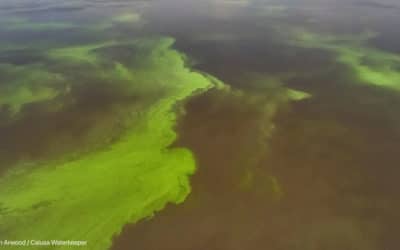
Can Algae Toxins Make you Sick? CDC Seeks South Florida Volunteers to Find Out
Promising incentives and clinical results, the Centers for Disease Control and Prevention is again seeking volunteers for a study on the health effects of cyanobacteria. The federal agency announced Thursday it will start new research on people exposed to cyanotoxins in South Florida.
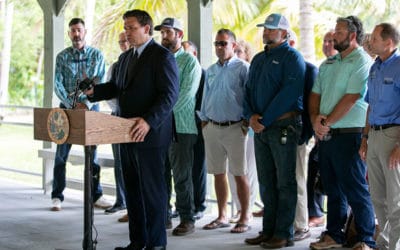
DeSantis Urges Balance in Lake O Releases – Emergency Order Over Water Quality Unnecessary
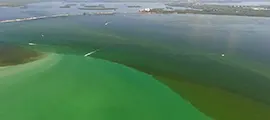
Facing a significant threat of a toxic blue-green algae outbreak in the Lake Okeechobee system and a red tide in the Gulf of Mexico, Gov. Ron DeSantis stopped in Fort Myers. Here, he met with Southwest Florida community stakeholders to discuss how the state can avoid a repeat of 2018.
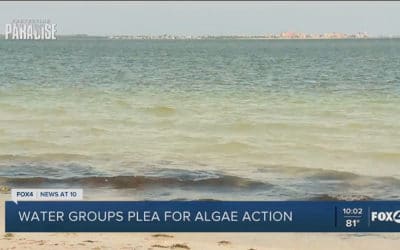
Water Groups Plea for Algae Action from Gov. DeSantis as More Blooms Appear in SWFL Waterways
Water experts from across the state met in a virtual summit to discuss concerns about the current state of Southwest Florida’s waterways. The concern has reached a fever pitch that water experts are imploring the Governor to issue an executive order, calling for a state of emergency.
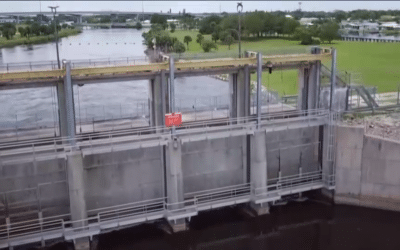
Calusa Waterkeeper Urges Governor to Stop Water Flow from Lake O to Caloosahatchee
As the algae situation on Lake Okeechobee continues to worsen, numerous conservationists sent a letter to Gov. DeSantis urging him to stop the release of water from the lake to the Caloosahatchee. The letter also asks that homeowners and businesses affected by red tide be compensated.
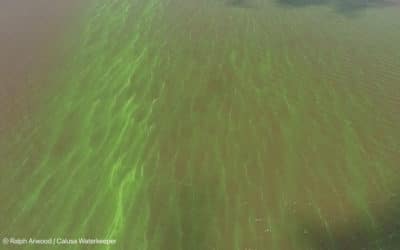
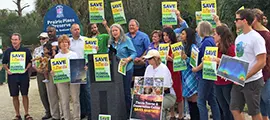
Red Tide and Blue-Green Algae Prompt Environmental Groups to ask Gov. DeSantis for State of Emergency
Several environmental groups have asked Gov. Ron DeSantis to declare a state of emergency for communities impacted by what appears to be a growing toxic blue-green algae outbreak in the Lake Okeechobee system and a red tide in the Gulf of Mexico.