





Calusa Waterkeeper
In the News
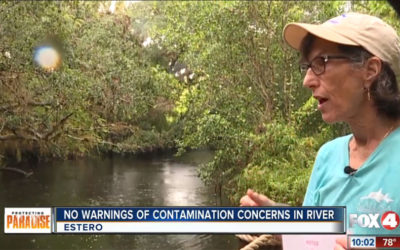
High Levels of Bacteria Found in Estero River
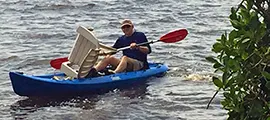
Holley Rauen, a retired nurse, Calusa Waterkeeper Ranger and volunteer at the Happehatchee Center in Estero started posting signs around the Estero River and warning kayakers after she learned the FDEP’s tests showed fecal bacteria levels of over 800 in the polluted river.
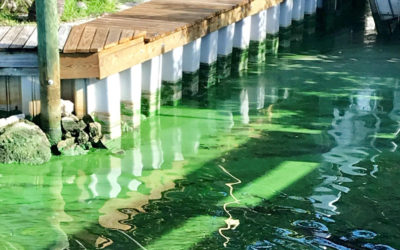
Florida may Adopt Limits on Amount of Toxins from Blue-Green Algae Blooms Allowed in Waterways
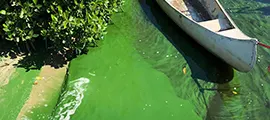
Amid fears of another summer of toxic algae afflicting the state and hurting its economy, officials from the Florida Department of Environmental Protection say they are considering new regulations on how much of the natural toxins are allowed in the state’s waterways.
Army Corps Urges Caloosahatchee & Lake O Boaters to be Aware of Harmful Algae
The U.S. Army Corps of Engineers is now warning boaters about toxic cyanobacteia, also called blue-green algae, in Lake Okeechobee and the 154-mile Okeechobee Waterway, which includes the Caloosahatchee and St. Lucie rivers.
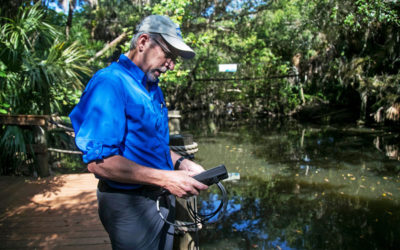
No Warning Signs or Action Plan for Dangerously Dirty Estero River
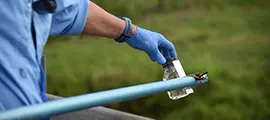
A water sample pulled from Estero’s Happehatchee Center’s banks showed levels of dangerous fecal bacteria more than 10 times what would close a swimming beach. Those alarming counts are nothing new to the much-loved-yet-chronically troubled river, which flows to Estero Bay, the state’s first aquatic preserve.
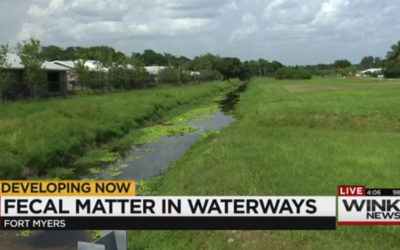
Fecal Matter Bacteria Pollutes Billy’s Creek at High Rates
Waterways are contaminated with fecal matter, including creeks and rivers that are in some neighbor’s backyards. John Cassani said Billy’s Creek and Estero Bay are polluted with fecal matter, along with bacteria at alarming rates. “We’re seeing levels frequently over a thousand,” Cassani said.
DEP Working to get Caloosahatchee River Pollution Plan to Feds by 2022
The state is moving forward with a plan to clean up pollution in the Caloosahatchee and its estuary nearly a decade after the standards were adopted. FDEP program managers met with local government agencies, agriculture interests and environmental groups to talk about BMAPs.
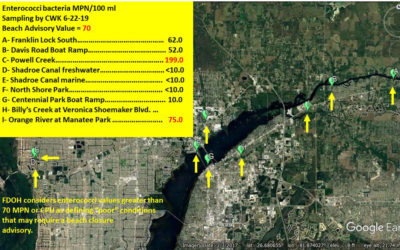
Enterococci Values Remain Low, Likely due to Minimal Stormwater Runoff
With the exception of Powell Creek in North Fort Myers, it’s good to see fecal indicator bacteria remain at such low levels from our most recent testing of area waterways. The dominating high-pressure system that has brought us hot temperatures and dry conditions, is responsible for the diminished stormwater runoff of recent.
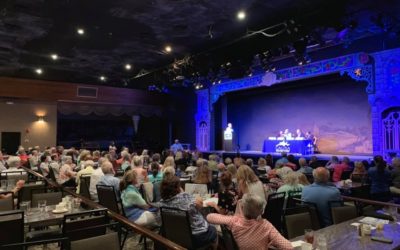
Hundreds Gather at Waterkeeper Event in Fort Myers to Discuss Toxic Algae and Public Health
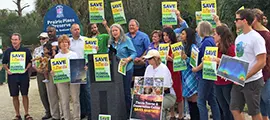
The summit began with a screening of “Toxic Puzzle,” followed by a panel discussion that included Dr. Walter Bradley, Dr. Larry Brand, retired public health nurse and Waterkeeper ranger Holley Rauen and Robert Zarranz, a Fort Myers otolaryngologist and surgeon.
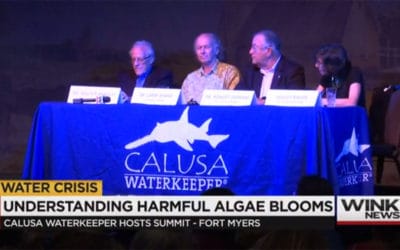
Experts Say Public Awareness is Critical at Water Quality Summit
Experts gathered at a Florida water quality summit to speak about harmful algal blooms in our waterways regarding health hazards and other dangers. Scientists who spoke at the Calusa Waterkeeper town hall said public awareness is the most critical aspect for SWFL’s water quality issues.
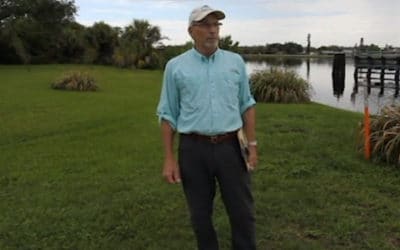
Words from the Waterkeeper, Episode 2
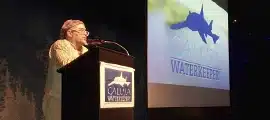
Calusa Waterkeeper John Cassani's update on upcoming events, Caloosahatchee conditions reports, and information on cyanobacteria identification.
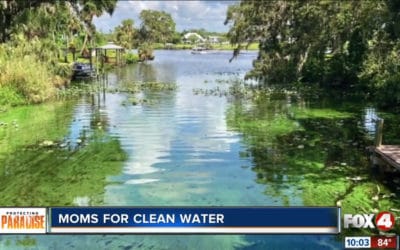
Moms for Clean Water Initiative Working for Change
Waterkeeper’s Florida now has a new initiative, Moms for Clean Water, asking moms to write a letter to first lady Casey DeSantis to share how your kids are impacted by the poor water quality. Corey McCloskey is doing her part by educating others through a water quality task force.
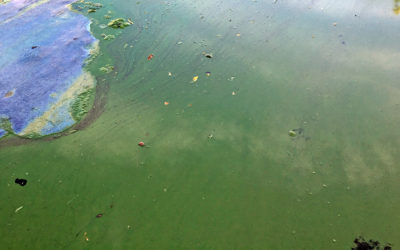
Waterkeepers Florida Recommends State Standards for Cyanotoxins
Waterkeepers Florida submitted comments to the Florida Department of Environmental Protection, as part of their triennial review process. In the letter, we lay out the history and importance of Florida accepting and codifying a numerical standard for cyanotoxins.