by Calusa Waterkeeper | Feb 28, 2019 | Harmful Algal Blooms, Lake Okeechobee, Press
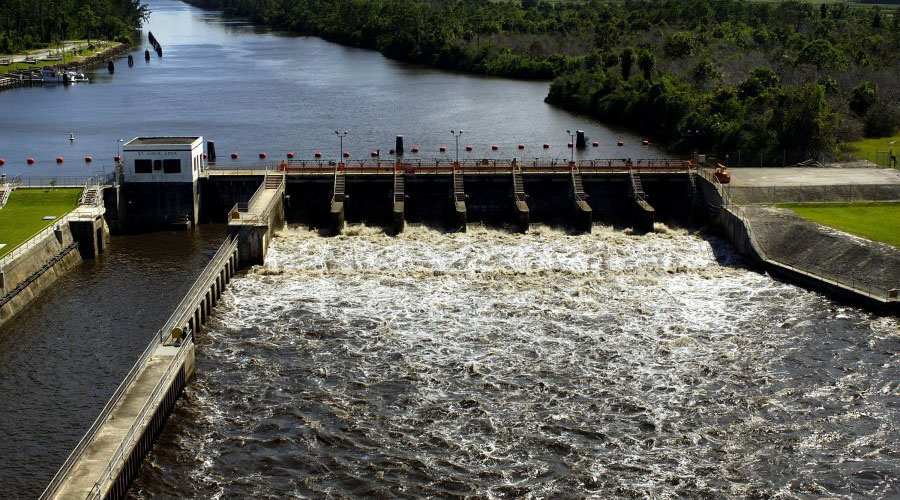
Originally published in The News-Press by Chad Gillis on February 28, 2019 Lake Okeechobee releases started again last week, and the results are a mixed bag for the Caloosahatchee River and its delicate estuary. The volume of water is not concerning to many local...
by Calusa Waterkeeper | Feb 19, 2019 | Planning, Press
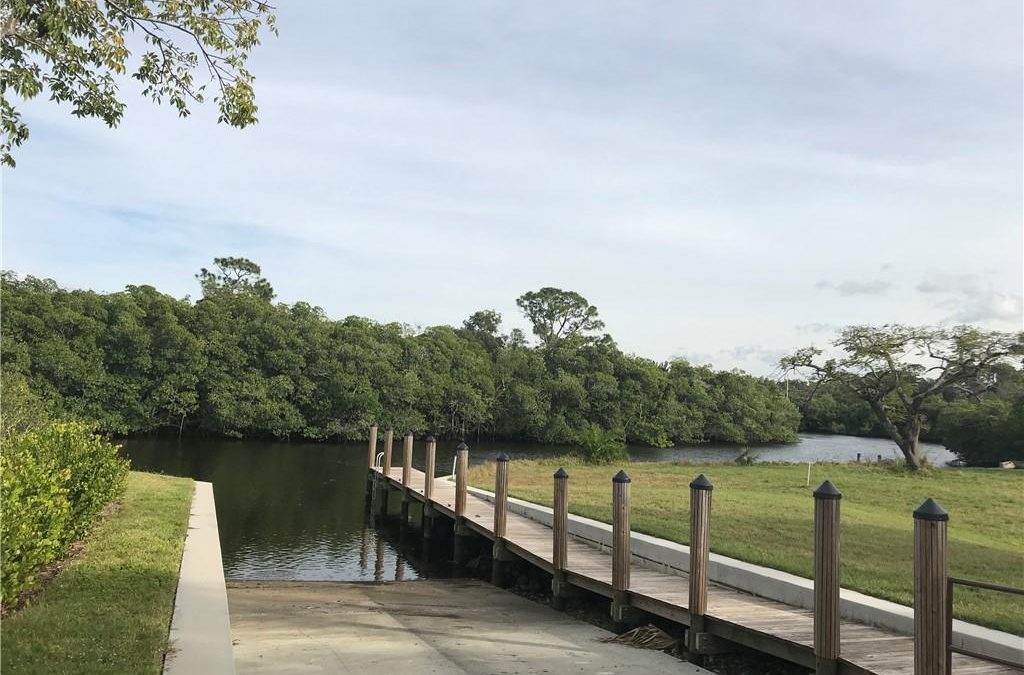
Originally published in The News-Press by Bill Smith on February 19, 2019 A site on Hancock Creek in North Fort Myers could become a Lee County public boat ramp, replacing a ramp in downtown Fort Myers that has closed to make way for development. County officials are...
by Calusa Waterkeeper | Feb 19, 2019 | Planning, Press
Originally published in The News-Press by Sarah Jarvis on February 19, 2019. Lee County approved an agreement with Cape Coral on Tuesday in an attempt to help restore water flow into Matlacha Pass and the Caloosahatchee River. The agreement establishes the...
by Calusa Waterkeeper | Feb 15, 2019 | Events, Press
Red Tide Impacts on Biodiversity in the Gulf March 14, 2019 | 8 am to 5 pm Florida Gulf Coast University The Biodiversity Conference is an opportunity for researchers and community leaders around the state of Florida to share their findings, and have in-depth...
by Calusa Waterkeeper | Feb 12, 2019 | Lake Okeechobee, Policy, Press
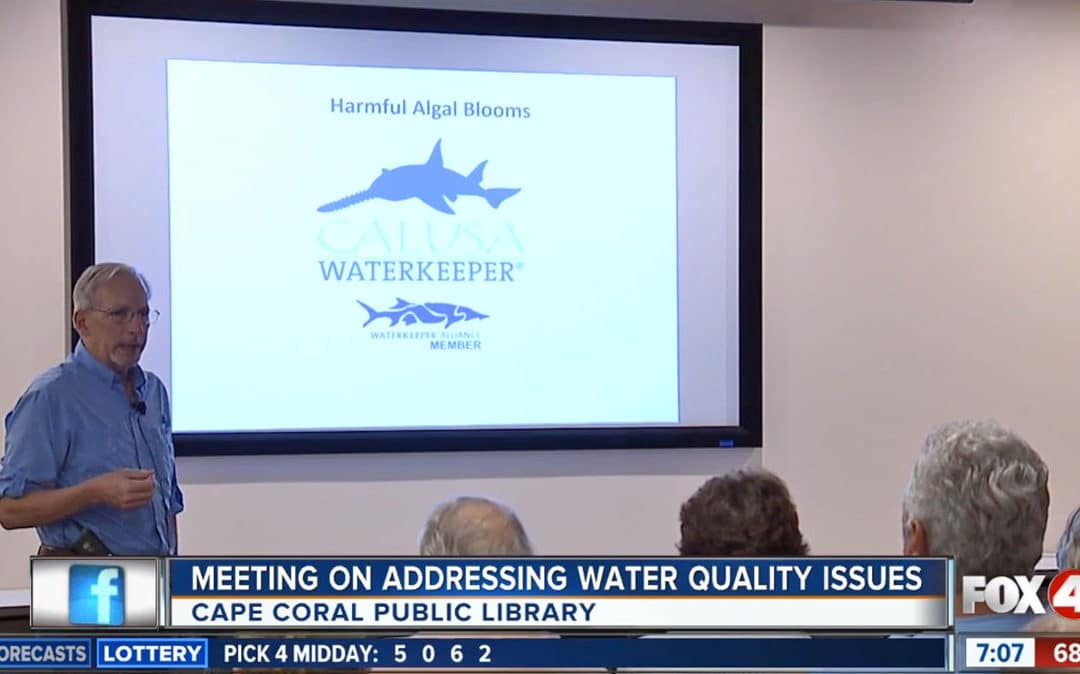
Public Comment Still Needed on Lake Okeechobee As reported by FOX4 News on February 12, 2019 John Cassani with Calusa Waterkeepers spoke to the League of Women Voters’ Environmental Committee at the Cape Coral Public Library. He spoke about water quality issues in our...
by Calusa Waterkeeper | Feb 8, 2019 | Harmful Algal Blooms
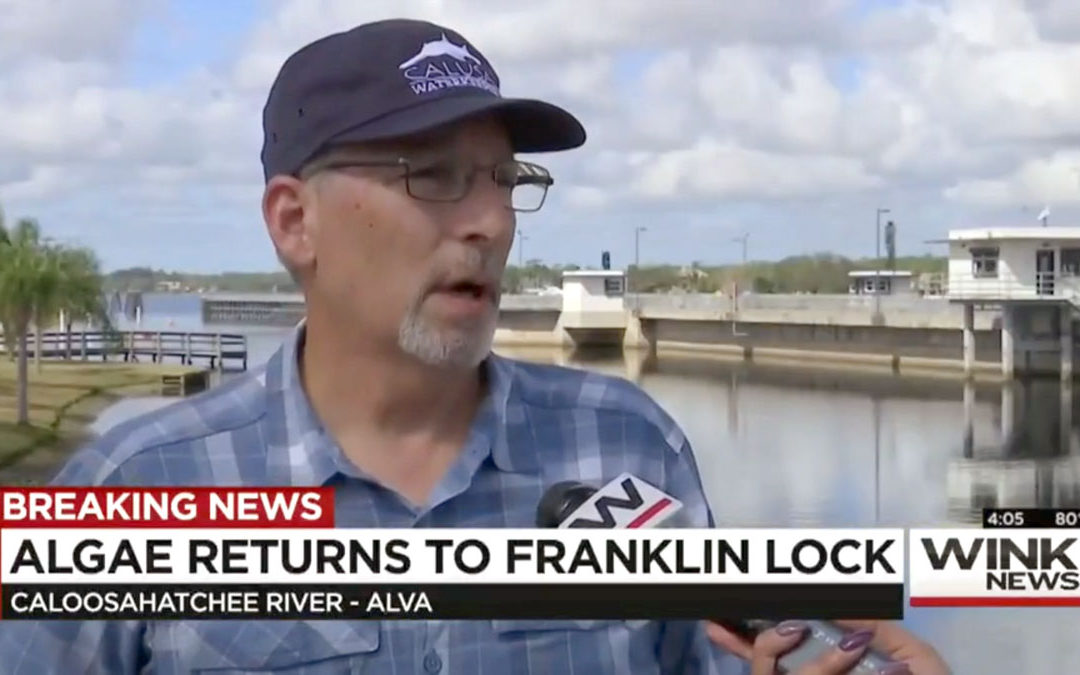
Originally reported by WINK News on February 8, 2019. WINK News spotted green algae at the W.P. Franklin Lock and Dam in Alva Friday, where algae build up is mainly seen at the south end of the lock. “A friend had said a couple weeks ago that there was algae out...

by Calusa Waterkeeper | Feb 6, 2019 | Press
Originally published in Florida Weekly on February 6, 2019 Programs designed to improve the quality of life for Southwest Floridians got a shot in the arm with grants awarded them by the Southwest Florida Community Foundation. The foundation gave $596,923 to 21 local...
by Calusa Waterkeeper | Feb 1, 2019 | Featured, Lake Okeechobee, Policy, Press
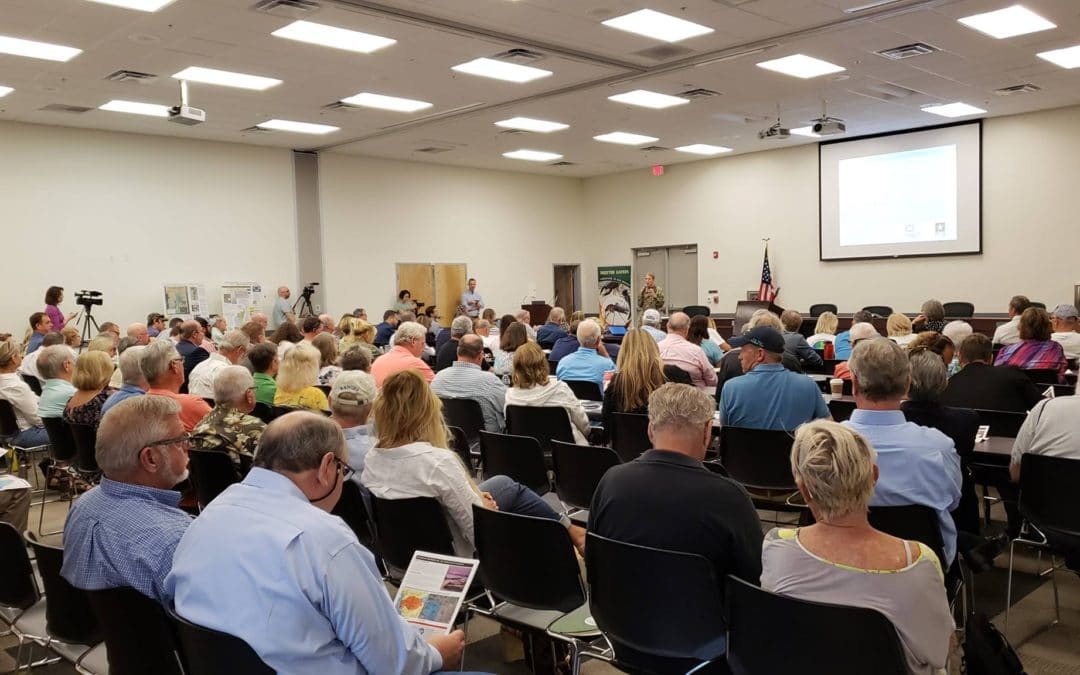
As seen in a News-Press OpEd submitted by John Cassani, Calusa Waterkeeper, February 1, 2019 Southwest Florida residents will be the first to weigh in on the Army Corps of Engineers’ (Corps) public scoping process for the new Lake Okeechobee System Operating Manual...
by Calusa Waterkeeper | Jan 23, 2019 | Bacteria Monitoring, Planning, Press
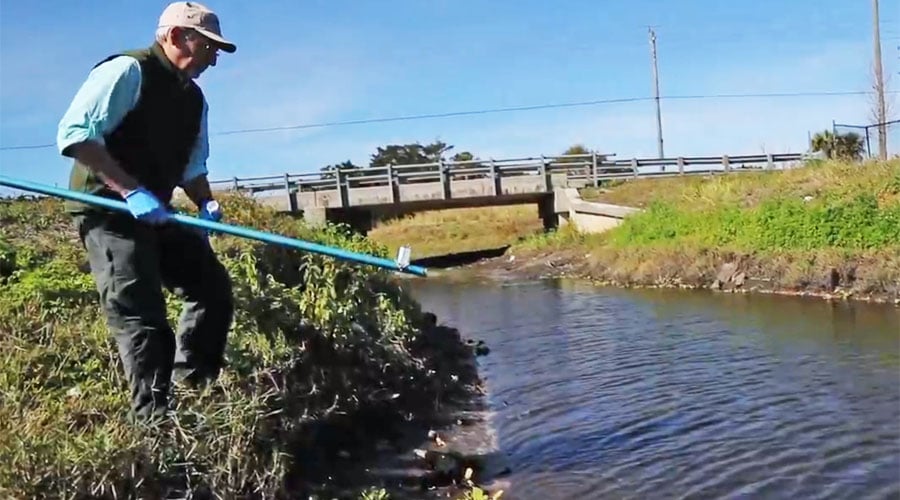
Originally published in The News-Press by Chad Gillis on January 23, 2019 The City of Fort Myers will soon move forward with a dredging project in Billy’s Creek that’s expected to ease flooding but may not improve water quality in the ailing Caloosahatchee...
by Calusa Waterkeeper | Jan 10, 2019 | C43 Reservoir, Lake Okeechobee, Policy, Press
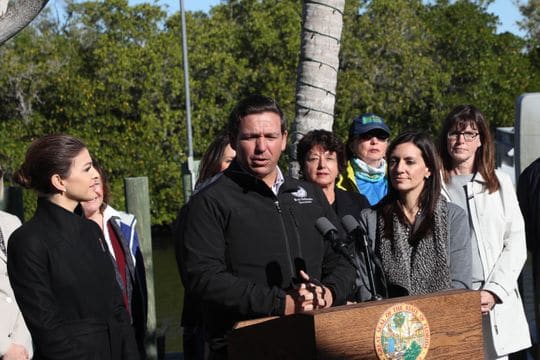
First published in The News-Press by Thyrie Bland and Amy Bennett Williams on January 10, 2019 Newly-elected Governor Proposes Multi-billion Dollar Plan for Water Quality Protection It’s news millions of Floridians have been waiting eight years to hear: Their governor...